Transformer vs. Transformer-less Inverters: The Truth
I’m an Electrical Engineer with more than 15 years of experience. This includes 6 years in solar installation. I currently work at MPNG, a $100M tech start-up. I’ve deployed solar systems nationwide, so I started this blog. Here, I share clear, honest, engineer-grade advice that cuts through the marketing noise.
We often hear about the terms transformer-based and transformer-less (TL) inverter designs. In this article, we will discuss the meaning of these terms and how they affect you as a user.
What are transformer-based inverters?
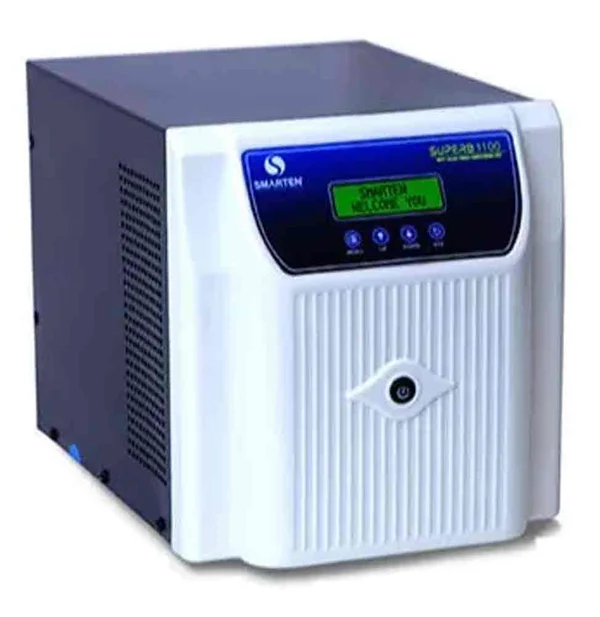
These are considered legacy technology today. They have a low-frequency bulky transformer inside them. For the same power rating, they weigh almost 10 times more than their transformer-less counterparts.
Do you recall those old Nokia chargers? They were much heavier and bulkier than today's chargers. Those designs used transformers.
They are the cheapest and simplest of inverters, and they are almost always square-wave inverters. They are the type that a local electronic engineer can build for you. However, the industry has moved on from this design as they produce power of the lowest quality.
Their dirty output can damage electronic devices plugged into it. Such as TVs, laptop chargers and other sensitive electronics; including inductive loads like fans and pumps.
Pro:
- They are the cheapest to make and the simplest in design Cons:
- They are very heavy, bulky, and noisy.
- They produce the dirtiest AC not fit for most appliances including fans, motors, and other inductive loads.
- They are least efficient.
A transformer-less (TL) inverter
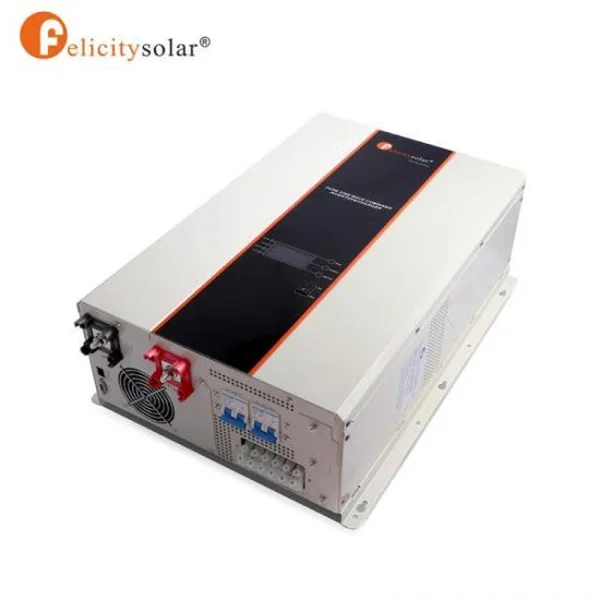
works in a completely different way:
It uses high-frequency electronic switches to convert power instead of a heavy metal coil ( some don't have transformers at all). Because of this, these units are much lighter and smaller. They do not have the bulk that makes older designs so difficult to carry. Most modern electronics now rely on this efficient technology to deliver safer, cleaner power to your gadgets.
Pro:
- Much lighter and can be installed easily by one person
- They tend to use modified sine wave or pure sine wave technologies hence they generate cleaner output.
- They are more efficient and quiet.
Cons:
- They are much more complex to build and hence more expensive
Final Verdict
Transformer-based inverter designs have been phased out. It is not a good idea to have them installed in your setup.
Pure Sine Inverters, which are always TL designs are the gold standard today.